
Woodlot Gear Guide: What to Buy for Firewood, Lumber and Syrup
A woodlot gear guide for landowners: the tools for cutting, splitting, chipping, milling, storing firewood and making maple syrup, with the numbers behind each.

Affiliate disclosure: product links on this page go to Amazon or to the maker's own store. As an Amazon Associate we earn from qualifying purchases, at no extra cost to you; links to makers' own stores earn us nothing. No retailer or brand sees our picks before they are published or has any say in them. How we choose.
Most woodlot owners need four things: a way to split (maul or splitter sized to their wood), a place to season (a raised rack and a moisture meter), a way to clean up (a chipper for brush), and, if the trees allow, a way to mill or tap. Buy the splitter for your biggest rounds, season to under 20 percent moisture, and keep OSHA's chipper rules.
Job by job
| Job | Gear | Guide |
|---|---|---|
| Splitting a few cords | Maul or electric splitter | mauls, electric |
| Big green hardwood | Gas splitter, 25 tons and up | gas splitters |
| Brush and limbs | Chipper shredder | chippers |
| Logs to lumber | Bandsaw or chainsaw mill | sawmills |
| Seasoning | Raised rack, moisture meter | racks |
| Maple syrup | Tapping kit, evaporator pan | kits |
The numbers that matter
- A cord is 128 cubic feet, ranked and well stowed (NIST Handbook 130 via Connecticut). Cord calculator.
- Burn wood under 20 percent moisture, seasoned at least six months (EPA). Seasoning guide.
- A 14 inch ash round wants a splitter of at least 26 tons (WEN). Splitter sizing.
- Hickory holds 29.1 million Btu per cord; cottonwood 16.1 (Missouri Department of Conservation). BTU chart.
- Finish syrup 7.1 degrees F above boiling water (University of Maine). Syrup guide.
Safety first
OSHA's chipper guidance: never reach into a running chipper, wear hearing, eye, head and hand protection, and lock out before clearing jams. See wood chipper safety.
Frequently asked questions
What equipment do I need for a woodlot?
A chainsaw, a splitting tool sized to your wood, a raised rack and moisture meter, and a chipper if you clear brush; a mill or tapping kit if you make lumber or syrup.
How much firewood do I need for a winter?
It depends on your stove and climate; measure what you burn in cords and compare species by heat on the BTU chart.
What is the best firewood to burn?
Dense hardwoods hold the most heat: Osage orange, hickory and black locust top Missouri's chart.
How dry should firewood be?
Under 20 percent moisture, per EPA. Season it at least six months and check with a moisture meter.
Do I need a log splitter or a maul?
A maul for a cord or two of straight-grained wood; a splitter for many cords or big, knotty rounds.
Sources
- Best Wood-Burning Practices, US EPA Burn Wise
- Firewood and Stove Wood Regulations, Connecticut Department of Consumer Protection
- Home Heating, Missouri Department of Conservation
- How to Choose a Log Splitter, WEN Products
- Chipper Machine Safety (QuickCard), OSHA
- Bulletin #7036, How to Tap Maple Trees and Make Maple Syrup, University of Maine Cooperative Extension
Related guides
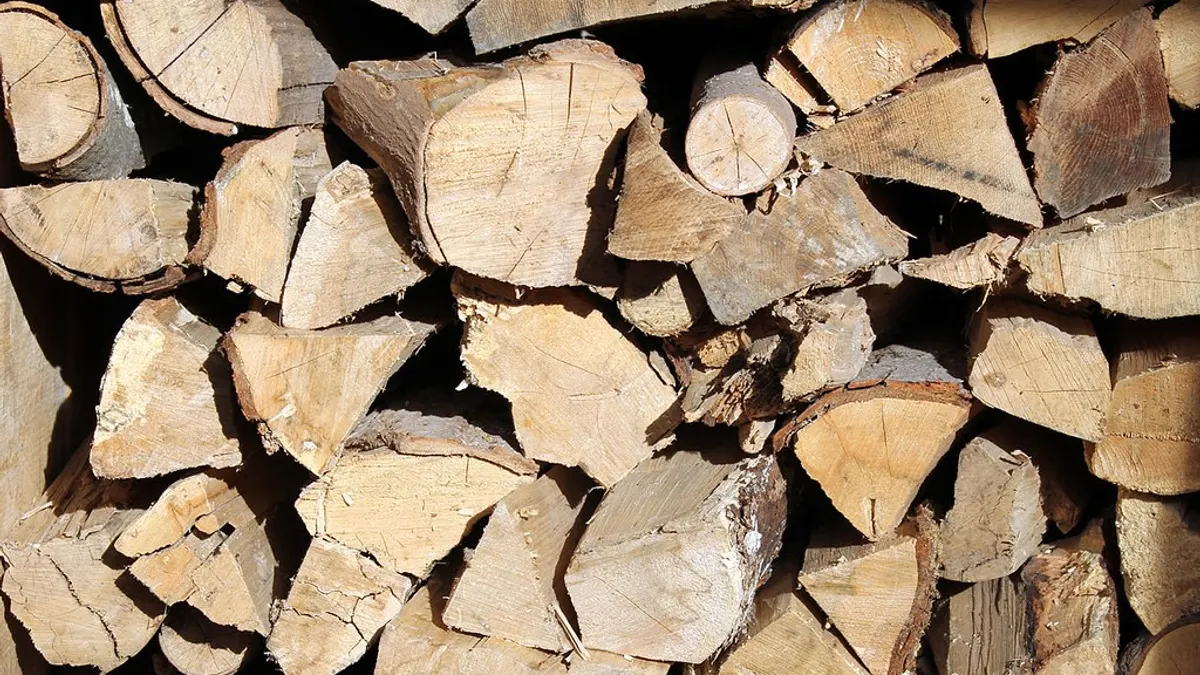
Firewood BTU Chart: Heat Value by Wood Species
Which firewood gives the most heat per cord, by species.

Firewood Cord Calculator: How Many Cords (and BTUs) Are in Your Stack?
Measure a stack, get cords, face-cord share and million Btu by species.
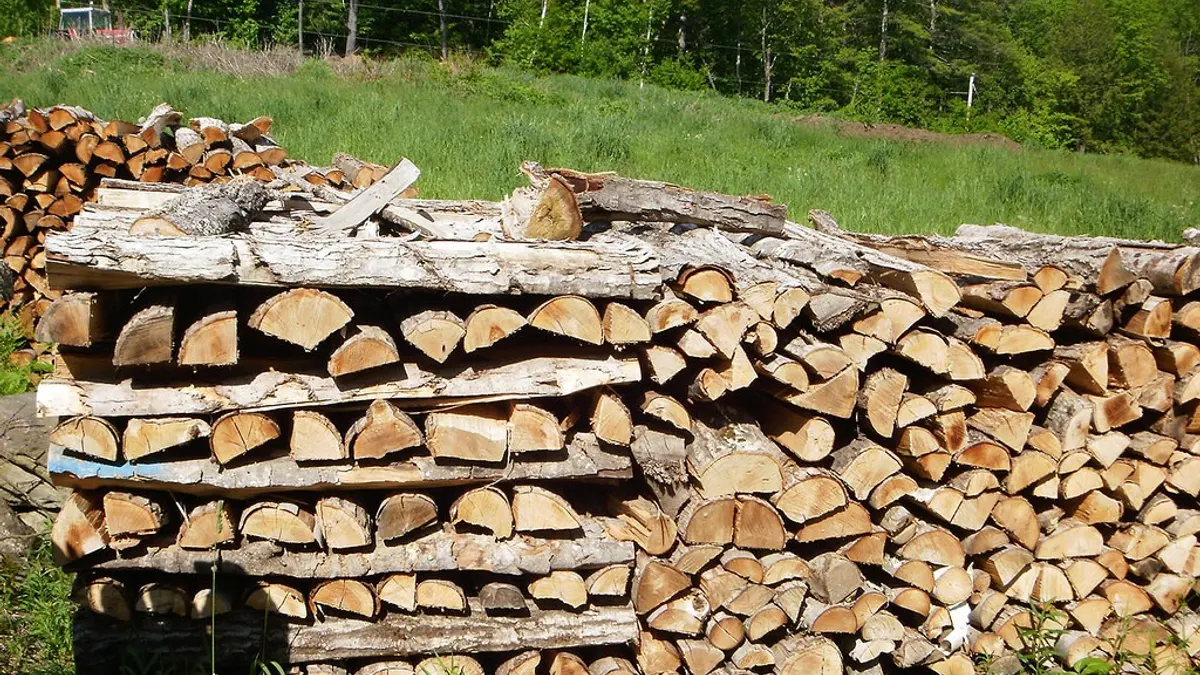
How to Measure a Cord of Wood (and What a Face Cord Really Is)
Check a firewood delivery: 128 cubic feet, measured the right way.